Blog
What Disruptions Should You Expect During a Boiler Installation?
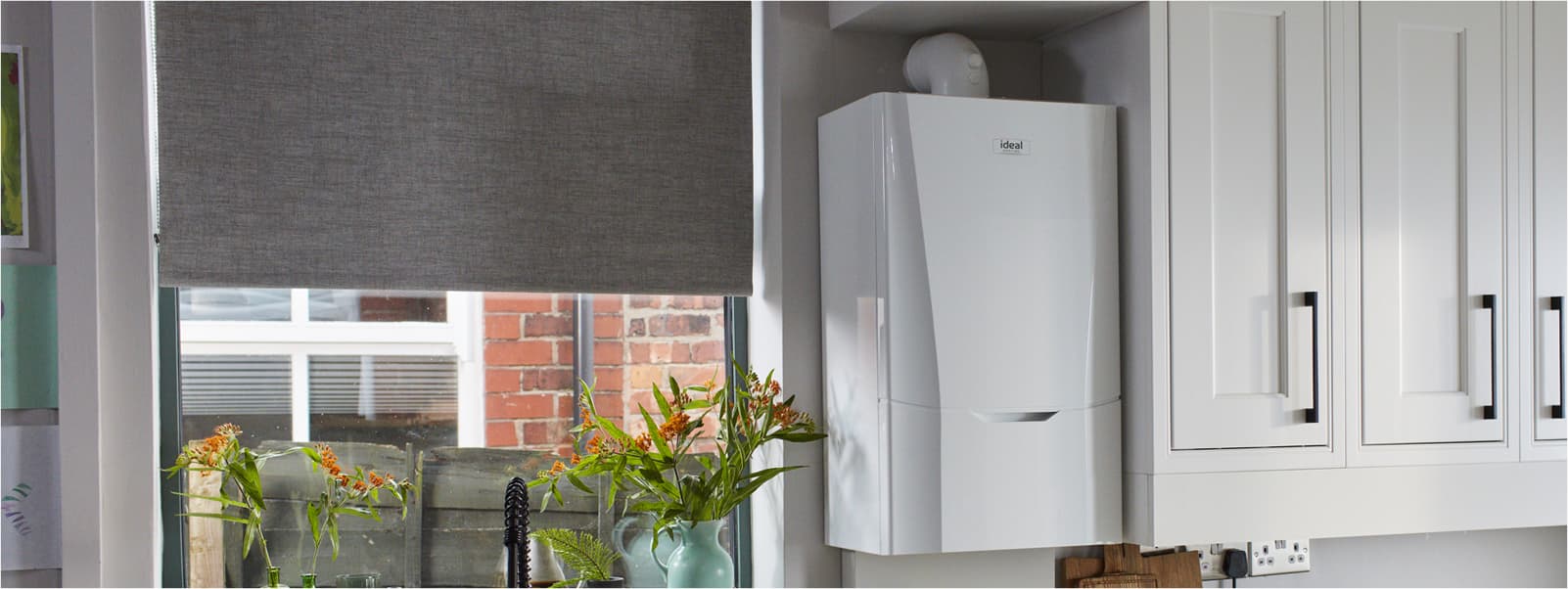
A boiler replacement is a managed sequence, not just a swap
Replacing a boiler involves disconnecting an existing heating system, preparing the installation area, fitting the new appliance and proving that everything operates safely. The main disruption comes from the parts of your system that must be safely turned off while this work takes place.
That usually means you should expect a temporary interruption to heating and hot water. The exact impact depends on where the boiler is fitted, how accessible the pipework is and whether the replacement can use the existing connections without modification. A direct replacement in the same position is generally more contained than an installation involving altered pipework, a different flue route or changes to the wider heating system.
Our Boiler Installation service starts with understanding those details before the work begins. That initial assessment is what separates a controlled installation from a day of avoidable surprises.
Where disruption comes from
Access to the boiler and pipework
The boiler may be easy to reach, but the connections behind or below it can be less straightforward. Cupboard installations, loft spaces, tight utility rooms and boxed-in pipework all affect how the work area has to be set up.
You can help by clearing stored items from around the boiler and creating a clear route from the entrance to the installation area. This gives us room to protect floors, position tools and remove components without repeatedly moving household belongings.
If access panels, boxing or shelving need to be removed, that should be identified during the survey wherever possible. It is better to agree this in advance than discover halfway through the installation that a key connection cannot be reached.
Isolation of the heating system
The existing boiler must be safely disconnected before it can be removed. Depending on the system, we may need to safely turn off the gas, electricity and water supplies and drain some or all of the water from the radiators and pipes.
This is why radiators may not provide heat and taps connected to the boiler may not provide hot water during the work. Draining a system can also expose issues that were not visible while it was operating, such as tired valves, restricted pipework or connections that need replacing rather than reusing.
Those findings are not automatically a sign of poor planning. They are often the point at which the condition of the existing system becomes clear. Any additional work should be explained before it is carried out, because it can affect both the installation process and the final handover.
What you should expect to see on site
A professional installation should progress in a clear order. First, we protect the route and working area, then isolate the existing appliance and remove it. The new boiler is positioned according to the agreed specification, with attention paid to the flue route, connections, controls and the space needed around the boiler.
The visible work may be concentrated around the boiler, but the important checks extend beyond the appliance. We need to confirm that the pipework, controls and heating circuit work together properly. If the new boiler requires a different arrangement, the installation may include alterations that create more noise, dust or access requirements than a like-for-like replacement.
Once the physical installation is complete, the system must be refilled and checked. We may need to release trapped air from the radiators and pipes, check the water pressure and test the controls. This stage is essential because a boiler that starts up is not necessarily a boiler that has been properly tested and set up.
How to reduce inconvenience before we arrive
A few practical decisions make a noticeable difference:
- Clear the boiler cupboard, utility area or loft access before the appointment.
- Move fragile or valuable items away from the route and the working area.
- Make sure we can reach the relevant controls, radiators and the fuse box (consumer unit) if needed for testing.
- Keep pets and children away from the work area while tools are in use and the boiler connections are being worked on.
- Tell us about any access restrictions, parking limitations or concealed pipework identified during previous work.
- Plan for the heating and hot water to remain unavailable while the system is turned off and tested.
You should not attempt to disconnect the boiler, alter gas pipework or interfere with electrical connections to speed things up. Gas work should be completed by a Gas Safe registered engineer, and the final safety checks are part of the installation rather than an optional extra.
The handover matters as much as the fitting
The last stage is where the disruption should begin to end. We complete the necessary checks, explain the controls and make sure you understand how to operate the system. We also provide the relevant safety and commissioning paperwork associated with the installation.
A clear handover gives you the opportunity to ask about unfamiliar settings, heating zones and hot water controls before we leave. It also helps identify anything that needs explaining while the installation is still fresh, rather than leaving you to work it out later.
At S.J.D Plumbing & Heating, we carry out boiler installations across Dunbar, East Lothian, Haddington and the Borders. We are Gas Safe Registered and an Ideal Accredited Installer. If you are planning a replacement, contact us to discuss your property and request a clear quotation based on the access, system and installation work involved.
Other Articles