Blog
Gas Boiler Installation: Why Your Property Matters
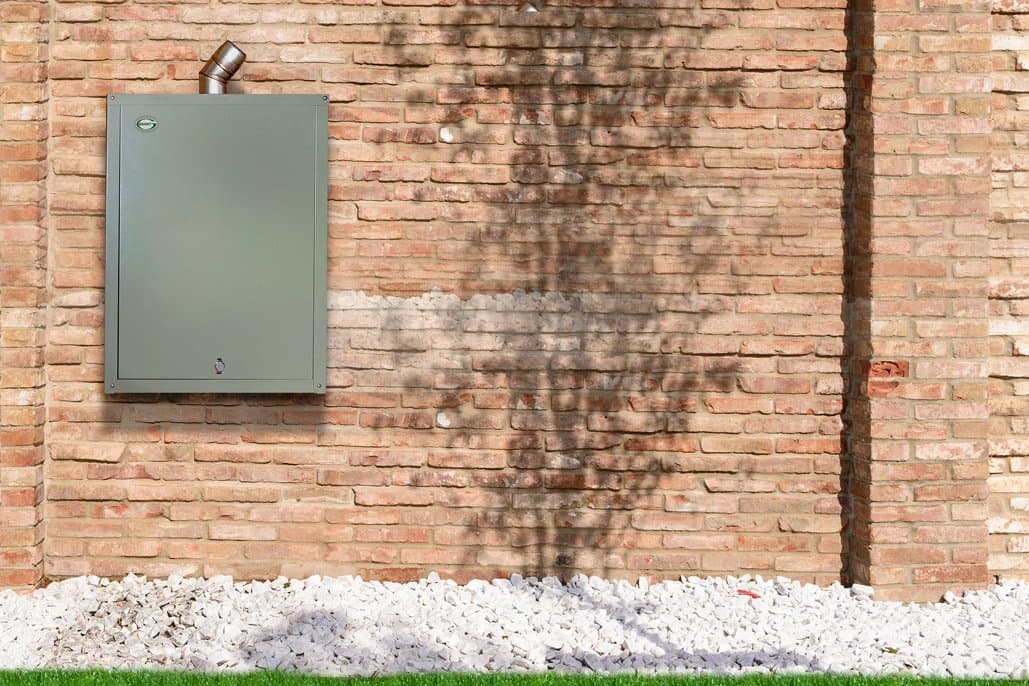
A gas boiler that suits one home may be the wrong fit for another, even when the properties look similar. The difference is often in what is already there: the heating system, the pipework, the way rooms are used and how hot water is needed.
At S.J.D Plumbing & Heating in Dunbar, boiler installation is one of our services, and we are Gas Safe Registered. The available service information confirms installations, but does not confirm boiler repairs. If you need a repair, contact us to check whether we can help with the specific work.
Start with the heating system you have
Before settling on a replacement, it helps to understand how your existing system is arranged. A boiler does not work in isolation. It supplies heat through connected pipework and radiators, while controls tell the system when and where to provide it.
If the new boiler is being fitted to an existing system, the condition and arrangement of those parts matter. Pipework routes, radiator connections and the location of the boiler can all affect what is practical. A change that looks straightforward on paper may need more consideration if the system has been altered over time or if the proposed boiler location differs from the current one.
That is why choosing a model based on a neighbour’s recommendation or a similar-looking property can be misleading. Their system may have different pipework, a different layout or different demands for heating and hot water.
Think about how the home is used
The right installation also depends on the household’s day-to-day needs. Consider which rooms need regular heating, whether parts of the property are used differently, and how hot water demand is spread through the day. These details help frame what the system needs to do, rather than treating the boiler as a standalone purchase.
The layout matters too. A compact flat in Dunbar and a larger house with more rooms may place different demands on their heating systems. Extensions, converted spaces and rooms that are rarely used can also change how heat needs to be distributed. The useful question is not simply, “Which boiler is best?” It is, “What does this property need its heating system to deliver?”
Make a note of any rooms that are consistently difficult to heat, changes to the property, or parts of the system that do not seem to work as expected. These observations give an installer useful context. They do not, by themselves, identify the cause or prove that the boiler is the problem.
Look at the whole installation, not just the boiler
When comparing options, ask how a proposed boiler fits with the existing system and the way you use the home. A sound recommendation should explain the reasoning in terms you can follow. If an option depends on changes to pipework, controls or other parts of the heating system, ask what those changes are intended to achieve and whether they are necessary for your property.
This is also where the distinction between a boiler replacement and a broader central heating installation becomes important. Replacing the boiler alone may not address limitations elsewhere in the system. Conversely, a wider redesign should have a clear reason tied to the property, rather than being treated as automatically necessary.
For gas work, it is sensible to check that the person carrying it out is Gas Safe registered. You can check the engineer’s Gas Safe credentials before work begins. For a proposed installation, make sure you understand what is included, what existing parts will remain, and what will change. Clear scope helps you compare recommendations on a like-for-like basis.
When the property has changed
If you have extended, altered or repurposed rooms, tell the installer. The heating arrangement that suited the original property may not reflect how it is used now. For example, a newly used room can change where heat is needed, while a revised layout can affect how the system serves different areas.
Likewise, if your home has an older or unusual system, avoid assuming that a modern replacement will connect without any design decisions. The installer needs to consider the actual system and property, not just the boiler currently fitted. This is particularly relevant where parts have been changed at different times or the layout is not as it was when the heating was first installed.
A sensible next step
Before committing, gather the details you can: the rooms and areas you use most, any changes made to the property, and the problems you have noticed with the existing heating. Then ask how the recommended installation responds to those specific points. A useful conversation should leave you clearer about the choices and the reasons behind them.
For an overview of our heating work in Dunbar and the surrounding area, see our Central Heating Installations service information. If you are considering a gas boiler installation, we can discuss what your property requires. For boiler repairs, contact us to confirm whether that work is available.
Other Articles